Shell Deploys Europe’s First Industrial Electric Heater for Refinery Operations
An industrial-scale Electric Tubular Heater has been installed at Shell's Rheinland refinery in Germany, marking the first deployment of its kind in Europe.
Alaric Calloway·updated September 09, 2026
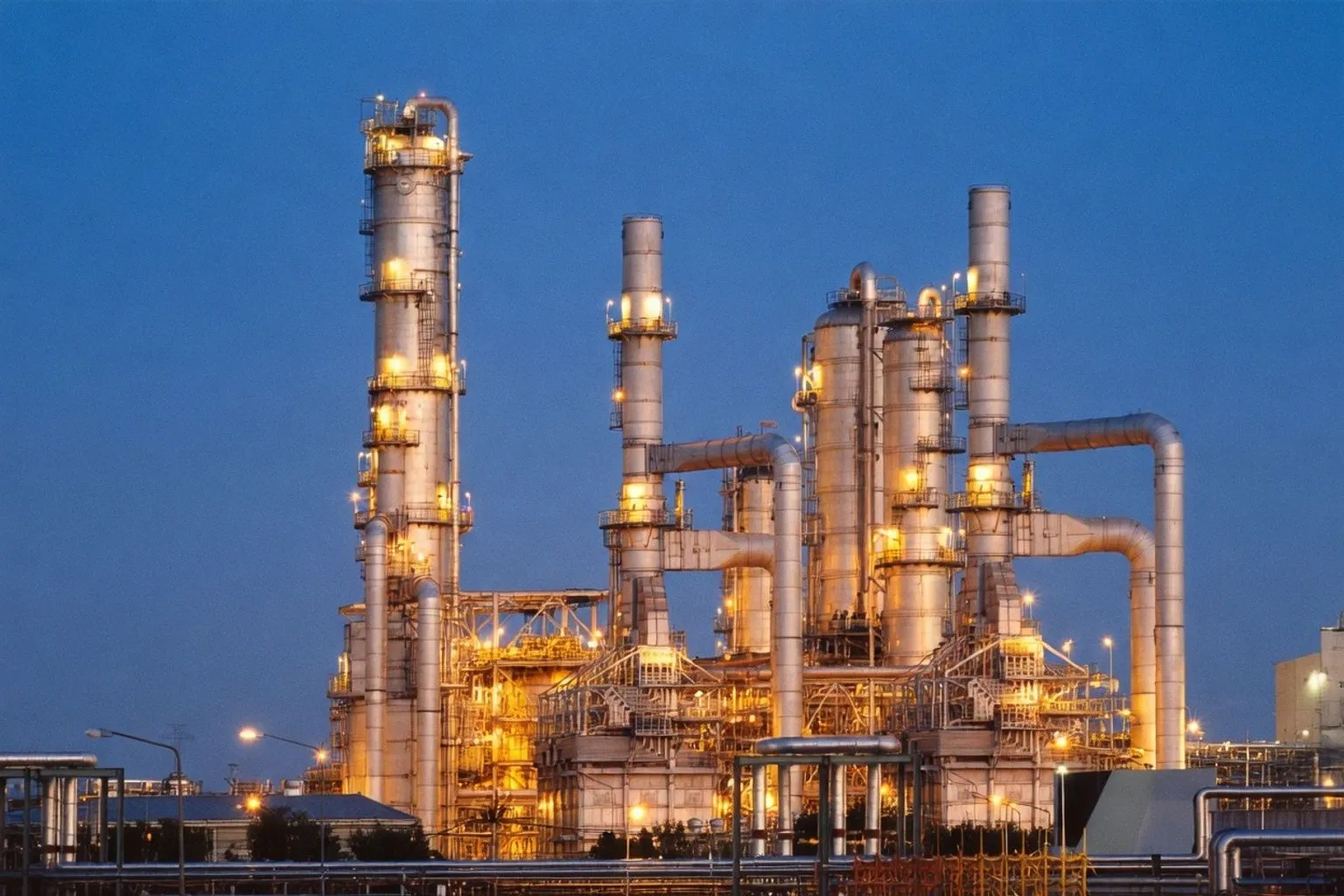
The collaboration between Shell, Schneider Electric, and Axens targets direct CO₂ and NOₓ emissions in base-oil distillation by replacing conventional fired heating with electrified radiant technology. For a sector historically dependent on combustion infrastructure, the installation signals a viable mechanical pathway toward zero-direct-emission refinery operations.
Mechanical Design and Integration
The system centers on Axens' Heurtey Petrochem Solutions Electric Tubular Radiant Heater. Unlike fired heaters that rely on fuel combustion to generate process heat, this unit uses electric resistance elements to deliver thermal energy directly to the distillation circuit. The design meets the process requirements of base-oil services while eliminating flue-gas emissions at the point of use.
Schneider Electric supplied a modular, prefabricated power package including distribution switchgear, transformers, and a power control system. This subsystem interfaces with Axens' process control layer, enabling fast power modulation and fine-tuned heating profiles. The full package integrates with Shell's existing site infrastructure, preserving operational continuity while introducing a fundamentally different energy input.
Operational Specifications
The system is designed for zero direct CO₂ and NOₓ emissions during operation. Because there is no combustion step, the elimination of nitrogen oxides and carbon dioxide occurs at the source rather than through downstream scrubbing or capture. This structural distinction matters: the heater does not reduce emissions—it is designed so that the emission-generating process does not exist.
Modularity is a key engineering feature. Prefabrication of the power distribution components allows standardized deployment and reduces on-site integration complexity. The approach enables rapid scaling if Shell or partners choose to replicate the model across other refinery units or sites.
Context for Industrial Decarbonization
The Rheinland installation demonstrates how electrification can be applied to high-temperature process heating in petroleum refining—a segment where direct substitution of fired equipment has historically been limited by power density, control precision, and grid integration challenges. The partnership model—combining site operator expertise, process technology, and power systems engineering—addresses these constraints through integrated design rather than retrofit.
For the broader refining sector, the project establishes a working reference case. The mechanical and electrical architecture is documented, the operational parameters are established, and the integration pathway with existing refinery infrastructure is proven. What remains to be observed is the long-term operational reliability, maintenance profile, and total cost of ownership relative to conventional fired heaters under sustained industrial duty cycles.