Electrified Steam Cracking: Eliminating Combustion Emissions in Chemical Production
The e-Missi0n MOOI project — a collaboration between Shell, Dow, TNO, and ISPT — has concluded its investigation into electrified steam cracking, with findings indicating that electric furnaces can…
Alaric Calloway·updated September 06, 2026
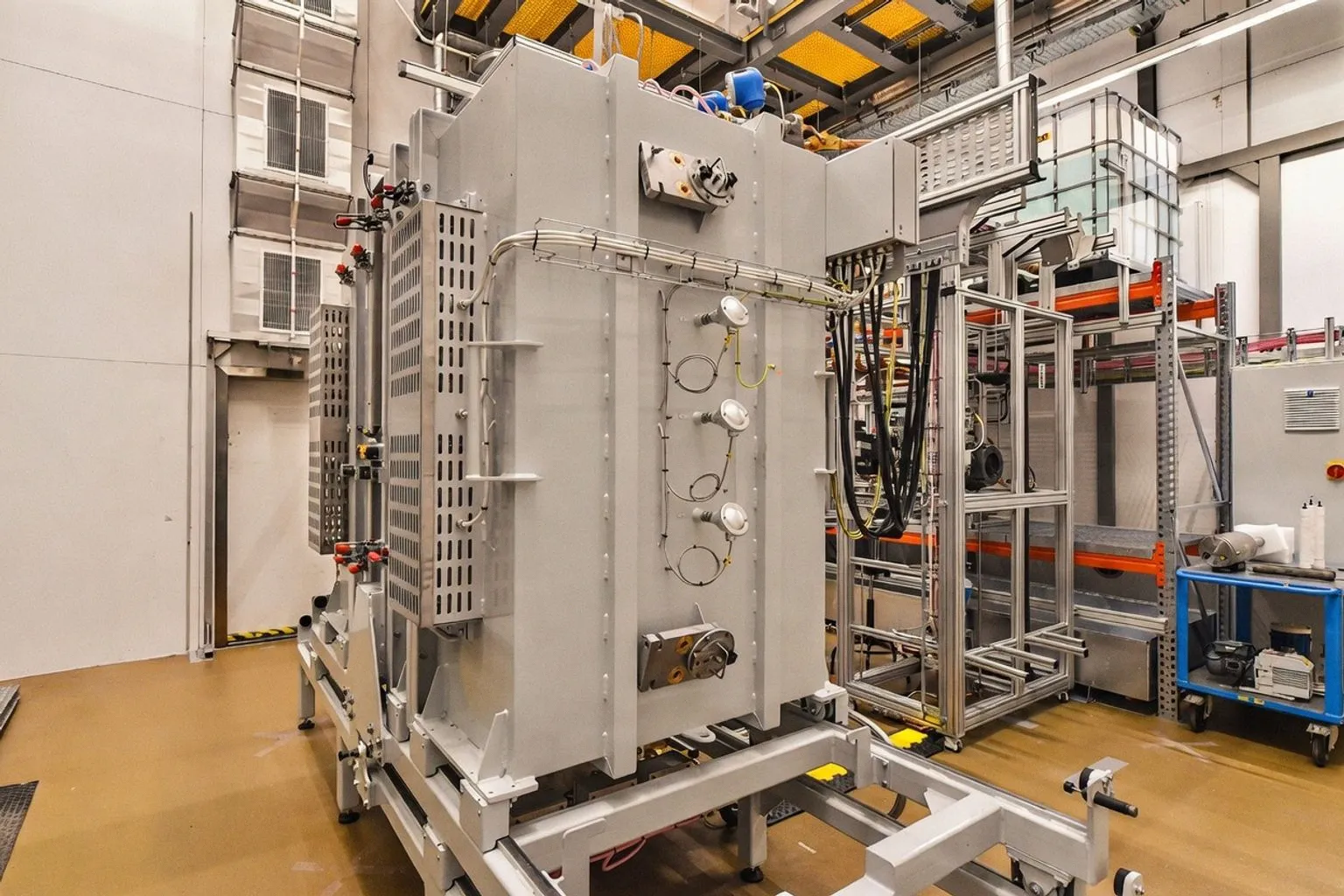
The e-Missi0n MOOI project — a collaboration between Shell, Dow, TNO, and ISPT — has concluded its investigation into electrified steam cracking, with findings indicating that electric furnaces can eliminate direct combustion emissions and raise integrated process efficiency beyond conventional fired designs.
Structural substitution at the heat source
Steam cracking supplies the base chemicals behind plastics, latex, and synthetic rubber. In a conventional cracker, fuel combustion generates the thermal load that drives feedstock decomposition, making the unit one of the most carbon-intensive installations in the chemical value chain. The e-Missi0n team examined what the system looks like when that combustion node is removed.
Substituting electrical heating for fired burners eliminates direct CO₂ at the reaction point. The project reports that the absence of flue gas also closes a major thermal-loss pathway, freeing integrated efficiency that conventional units cannot recover. The mechanical observation is straightforward: no combustion, no exhaust stream, no stack losses.
The cracking reaction extracts hydrogen from the feedstock. In conventional operation, a portion of that hydrogen, alongside the methane co-product, is consumed as fuel to sustain the process. Electrification decouples heat generation from feedstock consumption, allowing those by-products to be recovered as saleable output rather than burned. According to the consortium, this reallocation occurs without economic penalty: energy demand falls while valuable product yield rises.
Three architectures across two retrofit routes
Within e-Missi0n, three reactor concepts were tested in parallel: indirect electric heating, direct electric heating, and a new reactor design. These fall under two broader electrification routes. The Brownfield route installs electric heaters into existing furnace envelopes, preserving the surrounding capital stock. The Novel route drives current directly through the reactor coils themselves, a more invasive redesign that targets the heating mechanism at its source rather than wrapping it.
All three concepts were validated at small scale. The project additionally developed molten-salt heat integration loops to recover residual process heat and redirect it toward feedstock preheating — a step that recaptures thermal energy otherwise lost to the flue-gas stream in fired units. Measurable progress was recorded across all three pathways in terms of Technology Readiness Level, indicating consistent advancement rather than uneven performance between concepts.
Open constraints and what to track
The e-Missi0n findings confirm technical feasibility of electrified cracking. What remains unresolved is the upstream infrastructure requirement: a continuous, reliable renewable power supply at cracker-scale demand, plus the engineering work to move from pilot reactor to commercial throughput. The project is co-funded through the Topsector Energy subsidy from the Ministry of Economic Affairs and Climate Policy.
For those tracking industrial process design, the conclusion shifts the central question from whether steam cracking can be electrified to how quickly the electrical grid and existing asset base can be reconfigured to accommodate it. The next signals to watch are demonstration-scale commissioning of the Brownfield and Novel routes, and whether molten-salt heat integration advances from laboratory testing to integrated cracker operation.