Anhui Fuhuang Steel Structure Under Regulatory Scrutiny After 280 Bank Accounts Frozen
The Paper reports that Chinese structural steel engineering and manufacturing company Anhui Fuhuang Steel Structure has disclosed the freezing of 280 bank accounts, with a combined balance of 104 million yuan.
Alaric Calloway·updated September 05, 2026
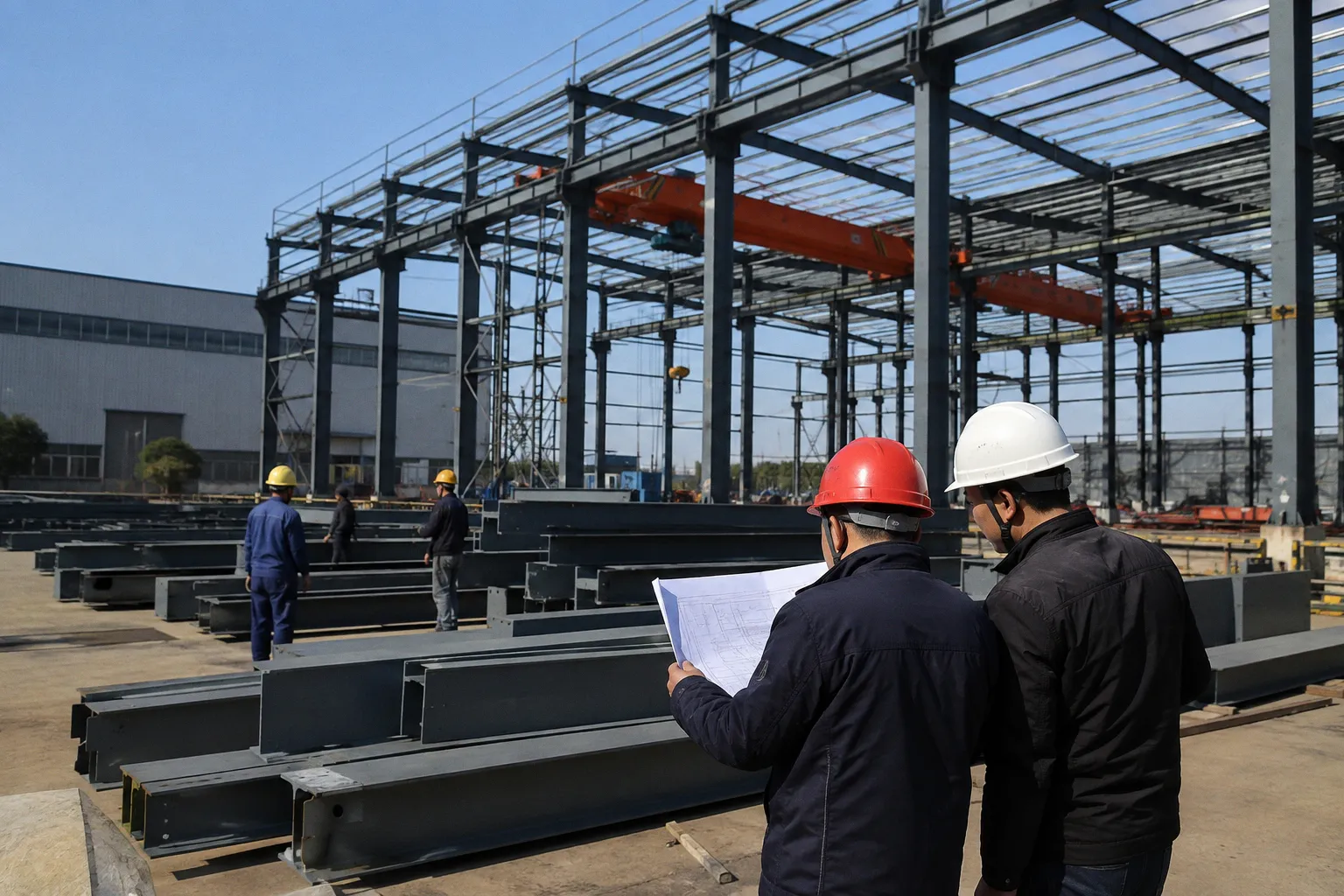
Anhui Fuhuang Steel Structure Faces Risk Warning Following Freezing of 280 Bank Accounts
The disclosure has triggered a regulatory stock risk warning on the Shenzhen Stock Exchange. For an industrial steel contractor, the issue is not limited to market status: access to operating accounts is a direct test of payment continuity across procurement, production, and project execution.
The mechanical point: restricted liquidity
The disclosed figures describe a concentrated liquidity event. Two hundred and eighty accounts are affected, while the frozen balance totals 104 million yuan. The available information does not establish how the accounts are distributed across the company and its subsidiaries, nor does it specify which individual projects or payment channels are affected.
That distinction matters. A company can have assets, contracts, and production capacity on paper while still losing the ability to move cash through ordinary operating channels. Steel-structure work is sequential. Engineering, fabrication, delivery, installation, and subcontracting depend on repeated payments moving through the system at the correct time. A restriction on banking access can therefore create friction before any change in physical capacity is visible.
This is an operational assessment, not a claim that every project has been interrupted. The confirmed information establishes the frozen accounts and the exchange warning. It does not provide a project-by-project account of delayed deliveries, unpaid suppliers, or halted construction sites.
Why the warning matters to industrial counterparties
The Shenzhen Stock Exchange risk warning changes the way outside parties should read subsequent disclosures from the company. For project owners, steel suppliers, fabricators, logistics providers, and subcontractors, the central question is payment execution rather than corporate branding or nominal production capability.
The first item to verify is the payment route named in any active contract. A counterparty should distinguish between a general corporate statement and a confirmed settlement channel that remains usable. Contractual milestones should also be checked against actual payment records, delivery documents, and acceptance procedures. These checks do not prove that a project is distressed. They reduce the risk of treating an operational promise as equivalent to cleared funds.
The second item is exposure concentration. A supplier or subcontractor should map outstanding invoices, retention amounts, advance payments, delivered materials, and work already installed. The frozen-account disclosure alone does not establish that any particular receivable is impaired. It does establish a reason to avoid relying on a single unverified assumption about settlement timing.
The third item is document control. Industrial projects generate multiple records: purchase orders, fabrication releases, shipping documents, site acceptance records, change orders, and payment certificates. When liquidity becomes uncertain, the integrity and timing of these records become more important because they define what has been supplied, accepted, and contractually payable.
What to monitor next
The immediate signal is whether Anhui Fuhuang Steel Structure provides further information about the scope of the freeze and the practical effect on its operations. The current confirmed disclosure does not explain whether the 104 million yuan is accessible through alternative accounts, whether restrictions apply equally to the company and its subsidiaries, or how long the freeze may remain in place.
For industrial counterparties, monitoring should remain narrow and evidence-based:
- verify the current payment account before dispatching high-value materials;
- reconcile open balances with signed delivery and acceptance records;
- separate completed work from projected work in internal exposure reports;
- avoid treating the exchange warning as proof that a specific contract has failed;
- reassess commitments when new company or exchange disclosures appear.
The event should be read as a control problem around liquidity access. The available evidence does not support broader conclusions about Anhui Fuhuang’s production output or the condition of every project. It does support a more conservative approach to payment verification, contractual exposure, and the continuity of steel-structure deliveries.