Oman Expands Heavy Steel Fabrication Capabilities to Support Regional Energy Infrastructure
According to the Foreign Ministry of Oman, the latest agreements include a dedicated heavy industrial steel fabrication hub by Al Qiyada Construction Technology, designed to serve large-scale…
Alaric Calloway·updated September 06, 2026
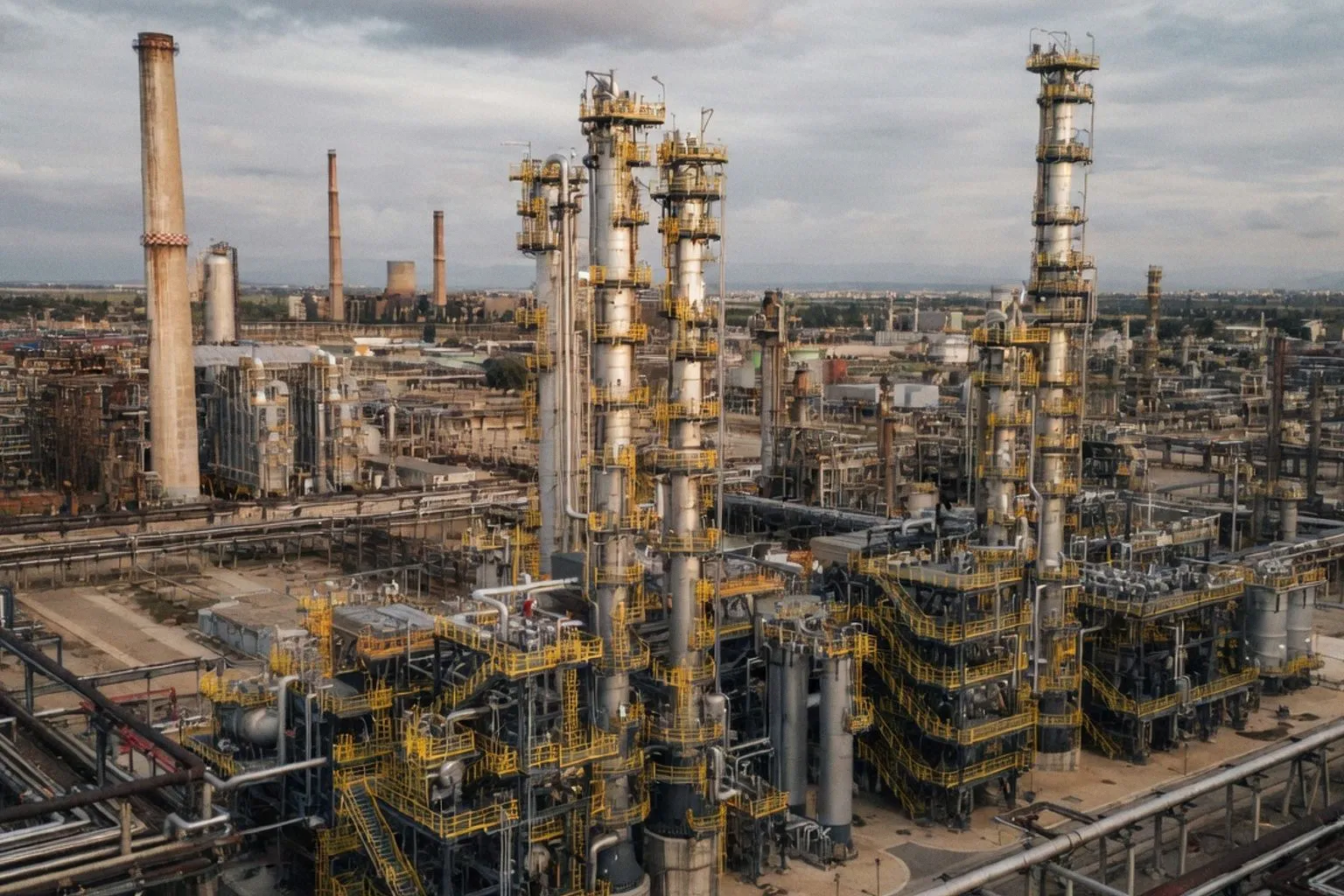
The Special Economic Zone at Duqm has secured a multi-billion dollar investment wave, confirming Oman's strategic push to build a heavy industrial backbone for the region. According to the Foreign Ministry of Oman, the latest agreements include a dedicated heavy industrial steel fabrication hub by Al Qiyada Construction Technology, designed to serve large-scale engineering projects in oil, gas, and power sectors across the GCC and East Africa.
Fabrication and Module Integration: A Closer Look
The industrial engineering activity isn't isolated to Oman. At OMV Petrom's Petrobrazi refinery in Romania, Kraftanlagen Romania is executing onsite element fabrication and module integration for two major electrolyzer systems. This involves the delivery and installation of multiple 5-MW modules, totaling 55 MW of capacity for green hydrogen production. The project exemplifies the trend toward modular construction, where prefabricated components are integrated into existing industrial infrastructure to minimize onsite construction time and complexity.
Portfolio Consolidation in Process Engineering
The sector is also seeing consolidation of specialized capabilities. SLB has entered an agreement to acquire Kelvion, a specialist in industrial heat exchange equipment. This move directly expands SLB's portfolio in modular manufacturing and process heat transfer, critical competencies for projects in carbon capture, processing facilities, and broader energy applications. Such acquisitions signal a focus on controlling the supply chain for high-value, prefabricated industrial systems.
Practical Implications for Industrial Practice
For professionals monitoring this landscape, these developments underscore a shift toward integrated, offsite fabrication strategies. The Duqm hub aims to localize the supply chain for high-value engineering packages, while the Petrobrazi and SLB projects highlight the increasing reliance on specialized modular systems. These are not abstract announcements; they are concrete investments in fabrication capacity and thermal management systems that will shape project execution across the energy and processing sectors for the coming decade. The operational throughput, module delivery timelines, and integration protocols of these projects will be the metrics that define their success.