Industrial Cracker Trials Confirm Circular Feeds in Petrochemicals
According to a Press Release Hub summary, Aduro Clean Technologies has completed trials showing that standard steam cracking furnaces can run on chemically recycled polyolefin feedstocks while…
Alaric Calloway·updated September 10, 2026
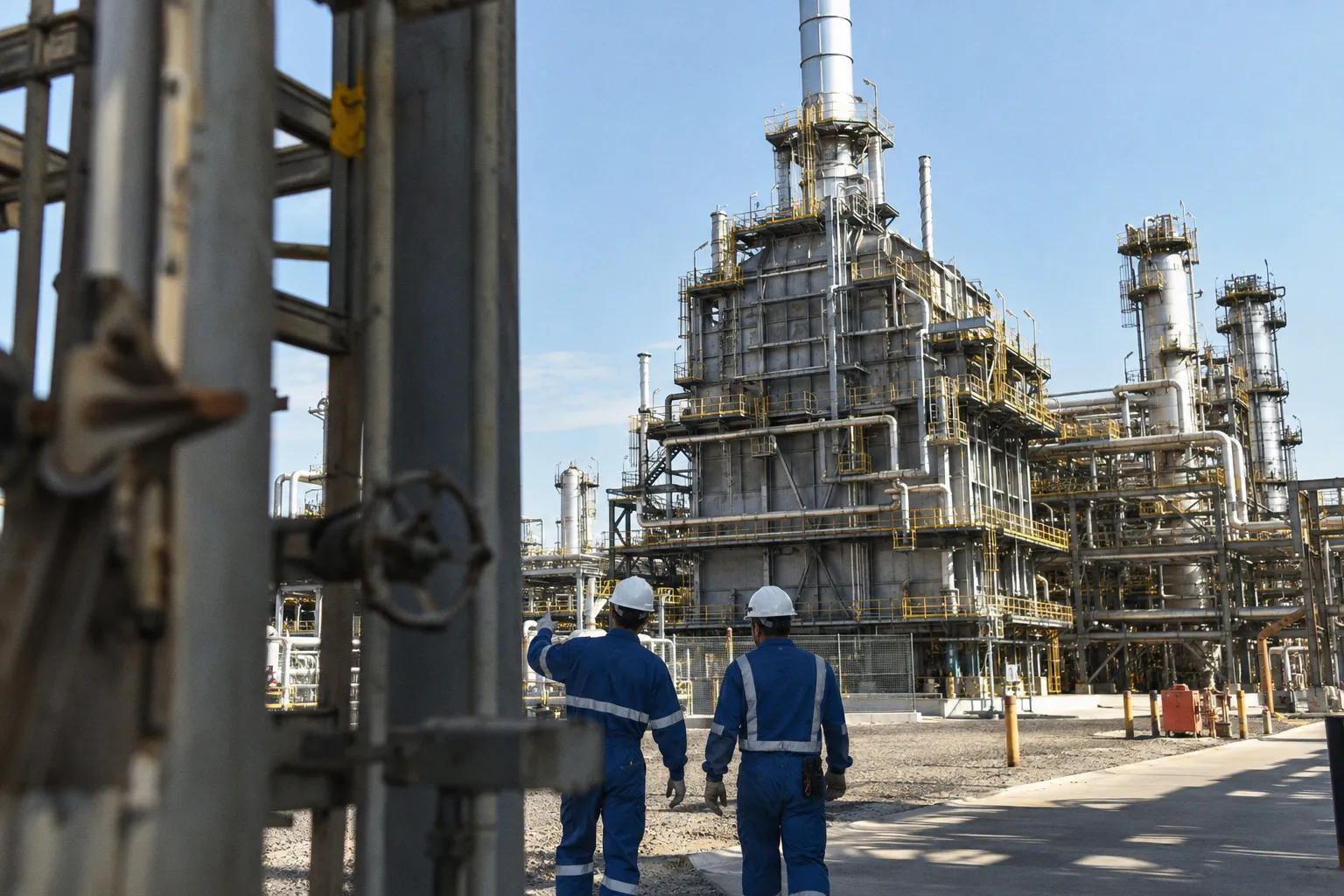
According to a Press Release Hub summary, Aduro Clean Technologies has completed trials showing that standard steam cracking furnaces can run on chemically recycled polyolefin feedstocks while preserving normal thermal regimes and olefin yields. The result, if it scales, points to a route for circular polyolefins into existing olefin production without retrofitting the asset base. The practical question for any operator reading this is whether the reported stability holds across the full range of real-world recycled-feed variability — and whether the underlying numbers are released in sufficient detail to support that judgment.
What the trial actually tested
The summary frames the outcome around two variables: operational stability of the fired heater, and olefin yield at the outlet. In petrochemical terms, the load-bearing claim is thermal regime consistency. Steam cracker coils are tuned to a narrow window of coil outlet temperature, residence time, and partial pressure; any drift in feed composition propagates through the radiant section and into coke formation. The brief indicates the run held within normal operating limits on chemically recycled input — a non-trivial result, since recycled polyolefin streams rarely match virgin naphtha or gas oil in trace speciation.
For process engineers, the meaningful detail is that the trial used existing furnace hardware. The implication is compatibility, not redesign.
Why furnace operators should care
Capital expenditure in ethylene and propylene capacity is concentrated in the fired heater: metallurgy, burner layout, radiant coil geometry, and quench system sizing. Any recycling pathway that fits inside that envelope avoids the slow, expensive replacement cycle of a new furnace. For plant teams weighing circularity targets against capex discipline, that is the strategic takeaway — recycled feeds entering the current asset base rather than a parallel reactor train.
The same framing, however, raises a verification burden. Pilot runs typically use homogenized, narrowly specified inputs. Post-consumer polyolefin streams introduce chlorine, oxygenates, residual additives, and particulates that stress radiant tubes and downstream fractionation. The summary does not address whether the trial spanned realistic feed variability or a narrower specification window.
What to verify before acting on the announcement
The available source is a release summary, not a technical paper. Several data points that an engineering evaluation would normally require are absent from the snippet: feed slate composition, run duration, conversion rates, coking delta relative to a virgin-feed baseline, and olefin selectivity. Procurement and operations decisions should wait for the full disclosure.
A short checklist for anyone tracking this:
- Did the trial cover the expected range of recycled-feed variability, or a controlled specification?
- Were coking rates and decoke cycle length benchmarked against virgin-feed operation?
- Does the hydrochemolytic step require any upstream guard bed or polishing treatment before the radiant coil?
- Is the claimed yield stability reported on a mass-balance basis or on coil outlet composition alone?
The takeaway for now
The headline is integration rather than invention: circular polyolefins processed inside assets that already sit on plant floors. That is the correct framing for an industry that measures progress in uptime, yield, and operating cost rather than novelty. Until the full technical data is published, treat the release as a directional signal — useful for planning conversations, insufficient for engineering commitment. The mechanism works in principle; the durability of that result across commercial feed variability is the question that still has to be answered.