Matcha Suri
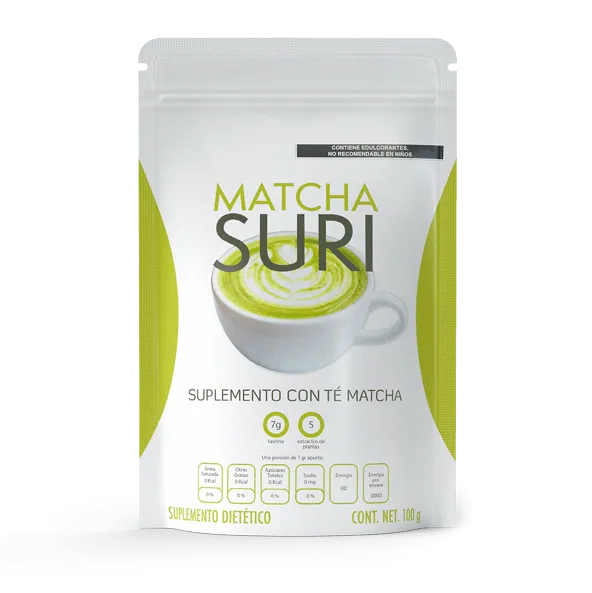
Matcha Suri powder reviews, ingredients, use and buying information, with a clear look at the manufacturer's weight-control claims.
Weight control
Matcha Suri
powder
USD49
Price at the vendor, may differ
Go to the vendorPrice checked: September 11, 2026
Food supplements are not a substitute for a balanced diet or medical advice. If you have health concerns, please consult a doctor.
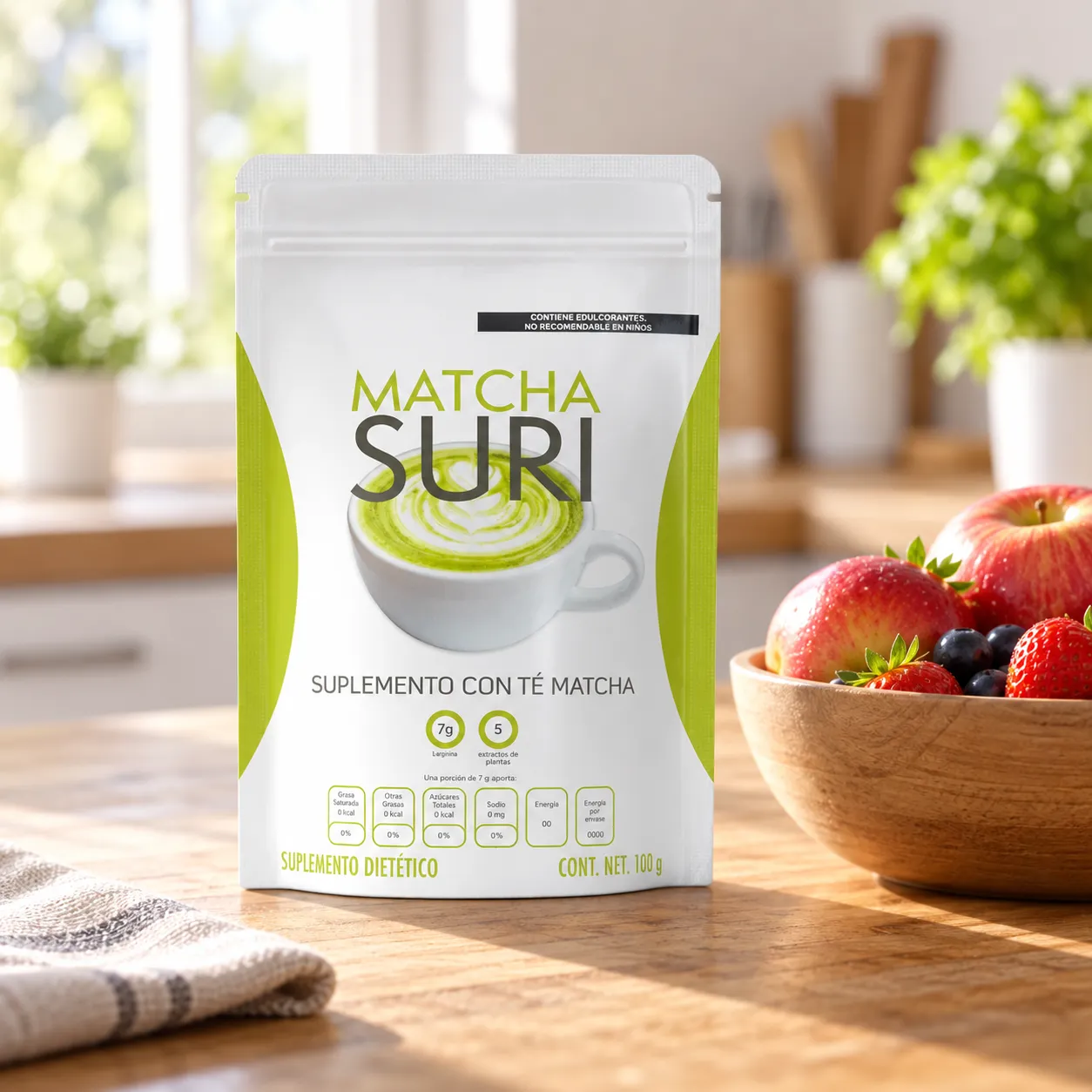
Matcha Suri is a powdered food supplement marketed for people interested in weight control. According to the manufacturer, its formula combines matcha tea with spirulina extracts, citric acid and maltodextrin, and it is intended for adults looking for a convenient supplement format.
Strengths
- Powder format may be convenient for people who prefer not to swallow tablets or capsules.
- The composition identifies the main ingredient groups rather than presenting the product as an entirely undisclosed blend.
- The page clearly separates the manufacturer's claims from independent evidence, which is not disclosed.
Weaknesses
- No independent studies on Matcha Suri are disclosed.
- Efficacy claims come from the manufacturer and are not independently verified here.
- Ingredient amounts and the exact serving size are not disclosed.
- The claim of losing 20 kilograms in 28 days is exceptionally aggressive and should not be treated as a realistic general expectation.
- The product is a food supplement, not a medicine, and cannot replace medical assessment or evidence-based weight-management care.
Our assessment
«According to the manufacturer, Matcha Suri helps users lose 20 kilograms in 28 days without dieting or exercising.» — Manufacturer statement
The headline and claimed action make an unusually strong promise: losing 20 kilograms in 28 days without diet or exercise. For most people, that is not a realistic or appropriate expectation. Such rapid changes may include water loss rather than sustained fat loss, and very rapid weight reduction can carry health risks. According to the manufacturer, Matcha Suri is intended to support this outcome, but no independent clinical evidence for the product is disclosed. The claim should therefore be read as advertising language, not as a guaranteed or medically established result.
The listed ingredients are familiar substances with different general roles. Matcha tea provides tea compounds such as catechins and L-theanine; theophylline is a naturally occurring stimulant compound; riboflavin supports normal nutrient metabolism; and spirulina is generally discussed as a nutrient-containing microalga. Citric acid and maltodextrin are commonly used formulation ingredients. These general descriptions do not demonstrate that the finished product blocks fat accumulation, changes leptin resistance or produces a particular amount of weight loss.
Weight-control supplements cannot replace a balanced eating pattern, regular movement, adequate sleep, review of medications and medical conditions, or professional guidance where needed. A supplement is not a medicine and should not be used to postpone care for unexplained weight change, obesity-related conditions or symptoms that may require diagnosis.
Composition
- Matcha tea
- Theophylline
- Riboflavin
- Retinol
- Chlorophyll
- L-theanine
- Catechins
- Spirulina extracts
- Citric acid
- Maltodextrin
- Matcha teaMatcha is powdered green tea and is generally discussed as a source of plant compounds, including catechins, chlorophyll and L-theanine. It may also naturally contain stimulant compounds, although the amount in this product is not disclosed.
- TheophyllineTheophylline is a naturally occurring compound found in some tea plants and is generally discussed for its stimulant and bronchodilator properties. Its quantity in Matcha Suri is not disclosed.
- RiboflavinRiboflavin, also known as vitamin B2, is an essential vitamin involved in normal energy metabolism and cellular processes. The amount supplied by this product is not disclosed.
- RetinolRetinol is a form of vitamin A, a nutrient generally associated with normal vision, immune function and maintenance of body tissues. The amount and source of retinol in this product are not disclosed.
- ChlorophyllChlorophyll is the green pigment found in plants and is generally discussed as a plant pigment with antioxidant-related properties in laboratory and nutrition contexts. It is not, by itself, evidence that a supplement causes weight loss.
- L-theanineL-theanine is an amino acid naturally found in tea and is generally discussed in relation to relaxation and attention. The amount in Matcha Suri is not disclosed.
- CatechinsCatechins are polyphenolic compounds found in tea and are generally studied for their antioxidant activity. Their presence does not establish that this product produces the manufacturer's claimed weight-control results.
- Spirulina extractsSpirulina is a type of blue-green microalgae generally discussed as a source of protein, pigments and other nutrients. The specific extract, concentration and amount used in Matcha Suri are not disclosed.
- Citric acidCitric acid is a naturally occurring organic acid commonly used to provide acidity and support flavor or product stability. It is not generally regarded as a stand-alone weight-loss treatment.
- MaltodextrinMaltodextrin is a carbohydrate derived from starch and is commonly used as a carrier, bulking agent or texture ingredient in powdered products. It contributes energy and is not a weight-loss ingredient in itself.
How to use it
According to the stated intake terms, the formula is taken twice daily. The serving quantity is not disclosed, so follow the manufacturer's package insert and do not exceed the stated directions.
Background: understanding Weight control
Weight control is shaped by the relationship between energy intake, energy use and the body's regulation of appetite and metabolism. Food choices, portion sizes, physical activity, sleep, stress, genetics, age and social circumstances can all influence body weight. Medical conditions and medicines may also affect appetite, fluid balance or metabolism, so persistent or unexplained weight change can warrant professional assessment.
Sustainable weight management generally focuses on realistic changes that can be maintained over time rather than extreme short-term promises. Nutrition quality, adequate protein and fiber, regular movement, sleep and behavioral support may all be relevant, with the right approach varying from person to person. The scale can also fluctuate because of water, glycogen, digestion and hormonal changes, so a short-term drop does not necessarily represent equivalent fat loss.
Supplements are only one optional part of this wider picture, and evidence for weight-control products varies considerably. A responsible assessment should distinguish general ingredient research from clinical evidence on the finished product, check whether quantities are disclosed and avoid treating marketing claims as guaranteed outcomes.
Who is this product for?
Worth a look for
- Adults interested in reviewing a powdered matcha-based supplement.
- People who want to compare the listed ingredients before deciding whether to buy.
- Readers who understand that the manufacturer's claims are not independent proof of effectiveness.
- Consumers looking for a supplement to consider alongside, not instead of, sustainable lifestyle measures.
Rather not suited for
- People seeking a guaranteed loss of 20 kilograms in 28 days should skip it.
- Anyone with a medical condition, taking medication or sensitive to stimulant compounds should talk to a doctor first.
- People who need diagnosis or treatment for weight-related health problems should not use this supplement as a replacement for medical care.
Reviews: what to look out for
When reading user reviews of weight-control supplements, look for specific and verifiable details rather than dramatic before-and-after stories. Useful reviews explain how long the product was used, whether other diet or lifestyle changes were made, whether the serving directions were followed and whether any unwanted effects occurred. A single personal experience cannot establish that the product caused a weight change.
Readers should also watch for unrealistic timelines, identical promotional wording, missing information about starting weight and selective reporting of successful outcomes. Reviews should not replace independent evidence, ingredient transparency or advice from a qualified healthcare professional, particularly when a product makes rapid-weight-loss claims.
Frequently asked questions
What is Matcha Suri?
Matcha Suri is a powdered food supplement in the weight-control category. According to the manufacturer, it combines matcha tea with spirulina extracts, citric acid and maltodextrin.
What does Matcha Suri claim to do?
According to the manufacturer, Matcha Suri helps users lose 20 kilograms in 28 days without dieting or exercising, while helping block fat accumulation and address resistance to leptin. These claims are not independently verified on this page.
How is Matcha Suri taken?
The stated intake terms say to take the formula twice daily. The serving amount is not disclosed, so follow the manufacturer's package insert.
Is Matcha Suri a medicine?
No. Matcha Suri is a food supplement, not a medicine. It should not be considered a substitute for diagnosis, treatment or professional weight-management advice.
Are the ingredient amounts disclosed?
No. The listed composition names the ingredients but does not disclose their individual quantities or the exact amount per serving.
Is the advertised weight loss guaranteed?
No guarantee is established by the information available. The 20-kilogram claim is a manufacturer statement, not a promise that every user will achieve that result.
Who should ask a doctor before using it?
Anyone who is pregnant or breastfeeding, has a medical condition, takes medication, has sensitivity to stimulant compounds or is considering rapid weight loss should seek professional advice before using a supplement.
Editorial verdict
Matcha Suri may be worth a look for adults who prefer a powdered supplement and want to review a matcha- and spirulina-based formula with clearly stated limitations. It is not a good choice for anyone seeking a guaranteed rapid transformation, relying on a supplement instead of sustainable weight-management habits, or needing treatment for a medical condition. The manufacturer's 20-kilogram-in-28-days claim should be approached with strong skepticism.
🛒Where can you buy Matcha Suri?
You can order Matcha Suri online only directly from the manufacturer via the official vendor page — that is the only way the current price and the original guarantee apply.
The product is usually not stocked in local pharmacies or drugstores; check the current price and availability with the vendor.
 Go to the vendor
More products
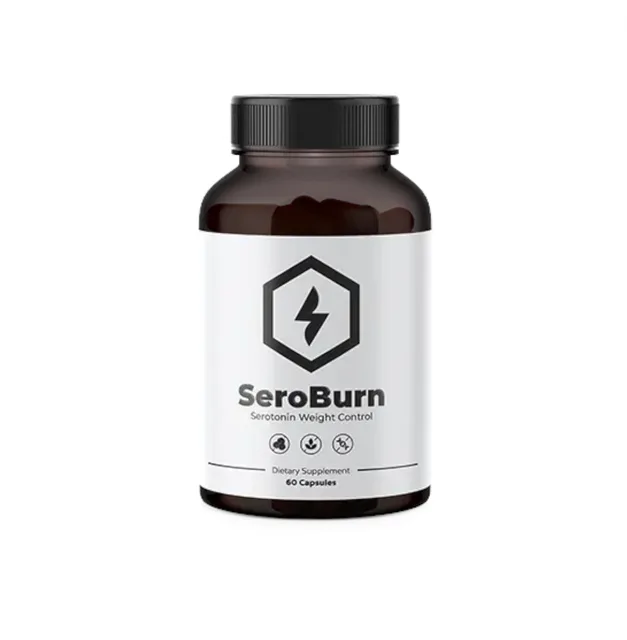 SeroBurnWeight control · USD59
 NovuBurnWeight control · USD79
 Belly Button BlissWeight control · USD59
 Thermo Burn ProWeight control · Check the price
Food supplements are not a substitute for a balanced diet or medical advice. If you have health concerns, please consult a doctor.
Advertising/affiliate notice: this article contains a partner link. We may earn a commission on purchases made through it.